India 2026/P4 (Diskit to Turtuk)
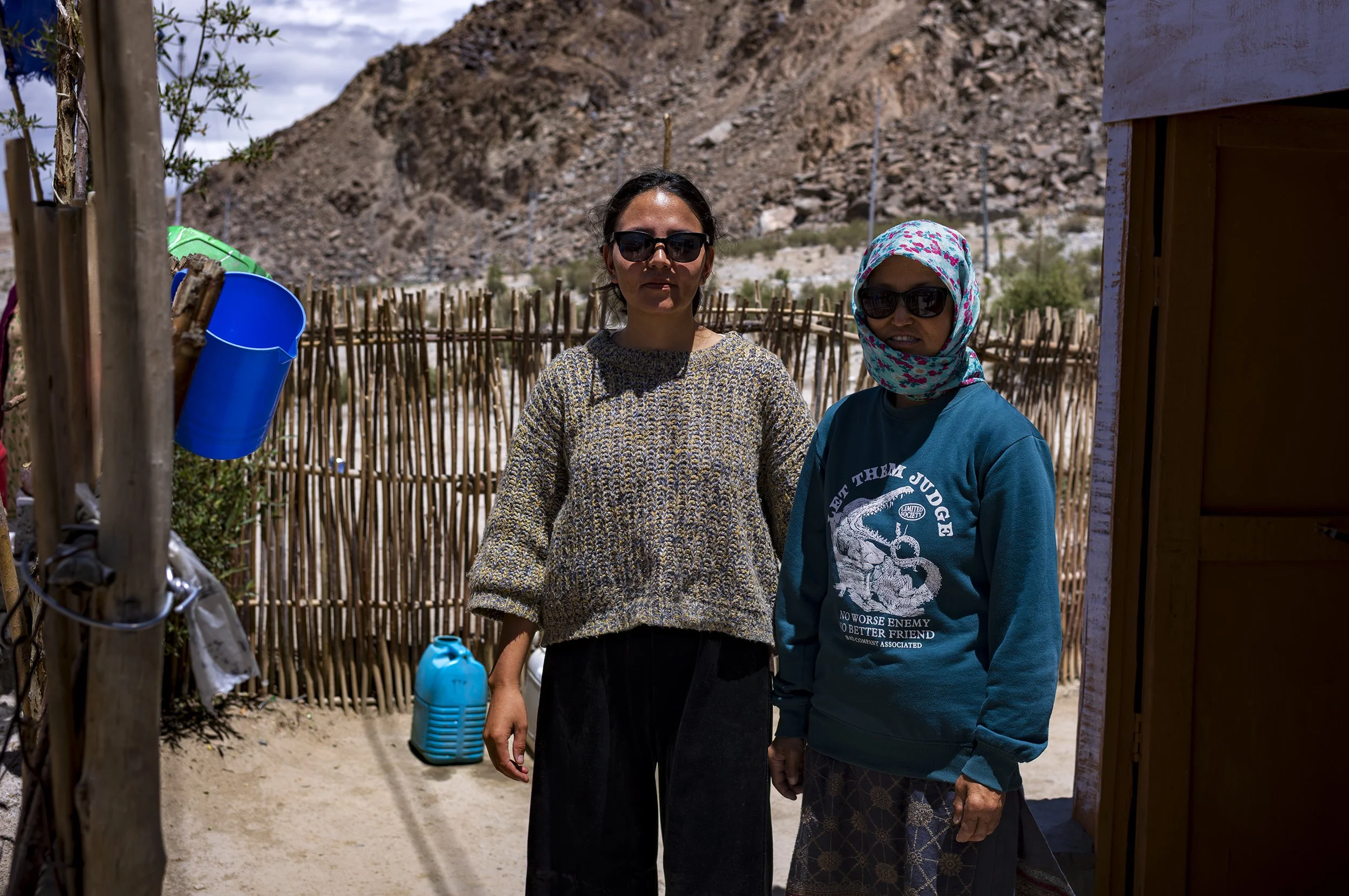
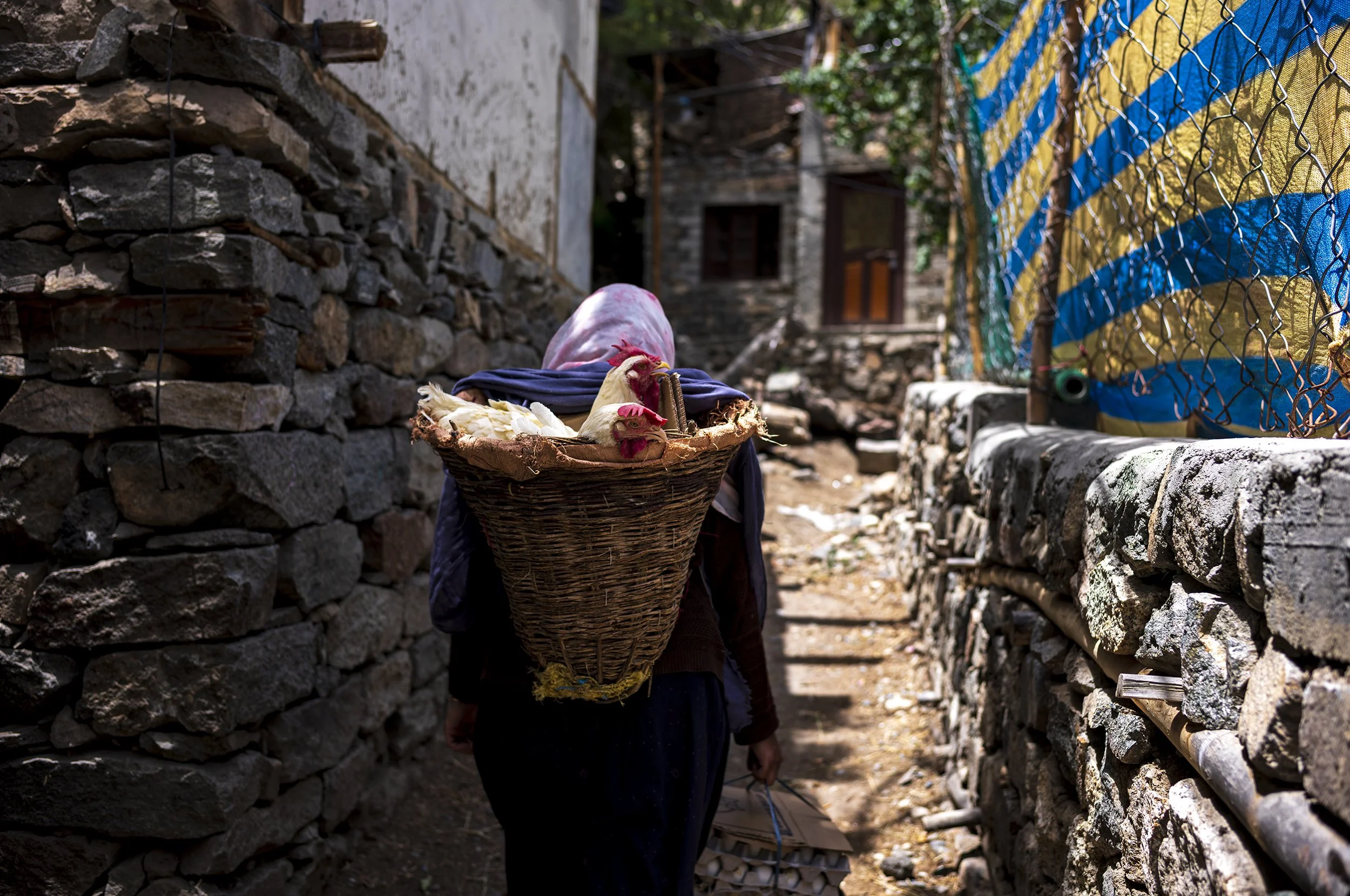
Place: Ladakhi women are the backbone of their society, balancing deep-rooted domestic and agricultural responsibilities with highly active roles in community leadership, local commerce, and environmental conservation. While traditional Tibetan Buddhist culture provides a more egalitarian foundation than many other parts of India (affording women strong property rights and economic independence) they still navigate distinct cultural codes, patriarchal expectations, and a historical gender literacy gap.
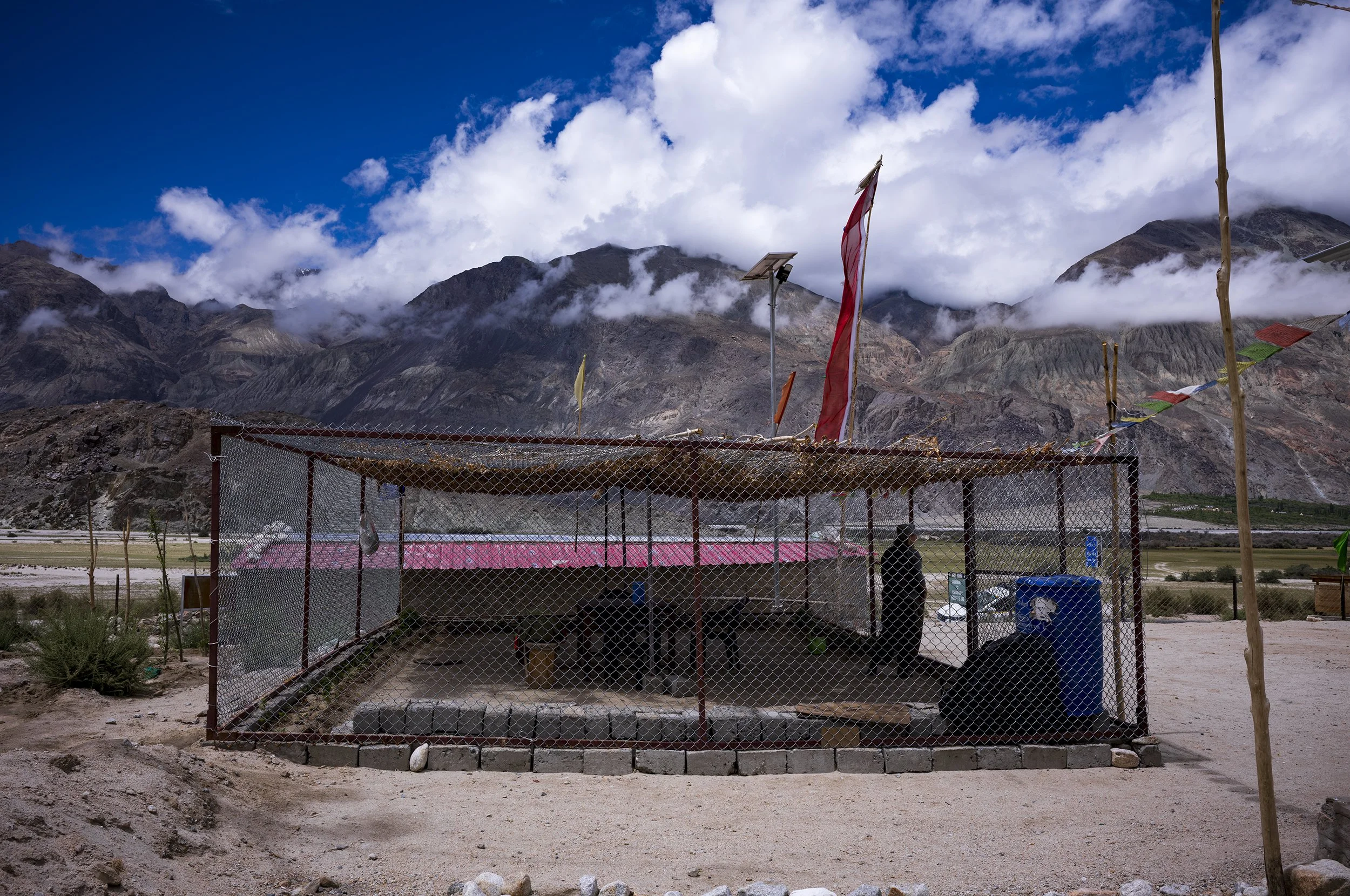
Turtuk is the northernmost inhabited village in India, located in the Nubra Valley of Ladakh along the Line of Control. Once part of Baltistan (Pakistan) until the 1971 war, it offers a unique mix of Islamic culture and Balti language. Remote, but well provisioned the village features traditional cold storage chambers known locally as Nangchung. They utilise glacial meltwater channels from the Karakoram Range and passive thermodynamic principles to maintain stable cold temperatures throughout the year.
A cultural exchange project //
Images l/r
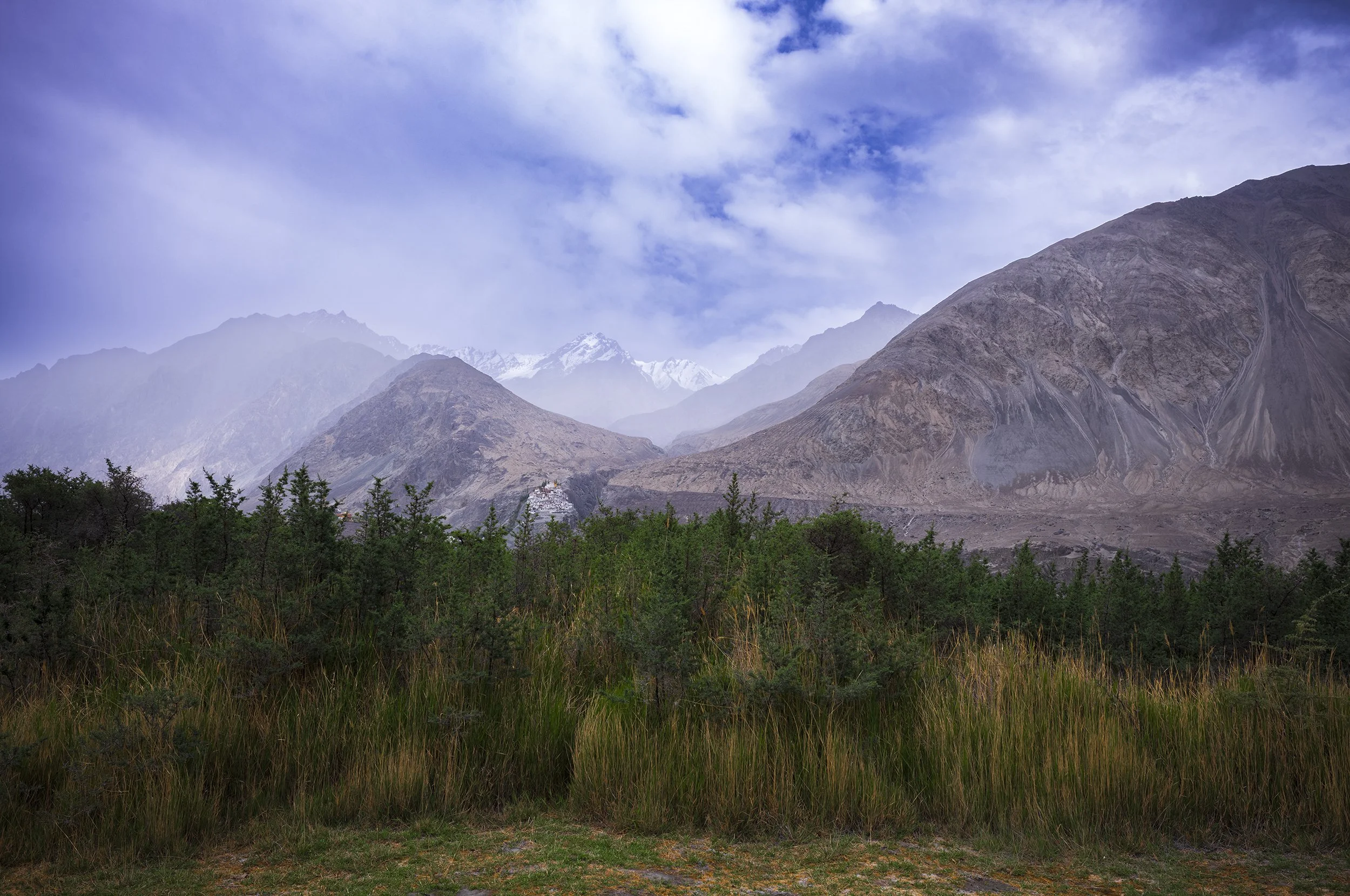
Looking from Diskit to the iconic Diskit Monastery
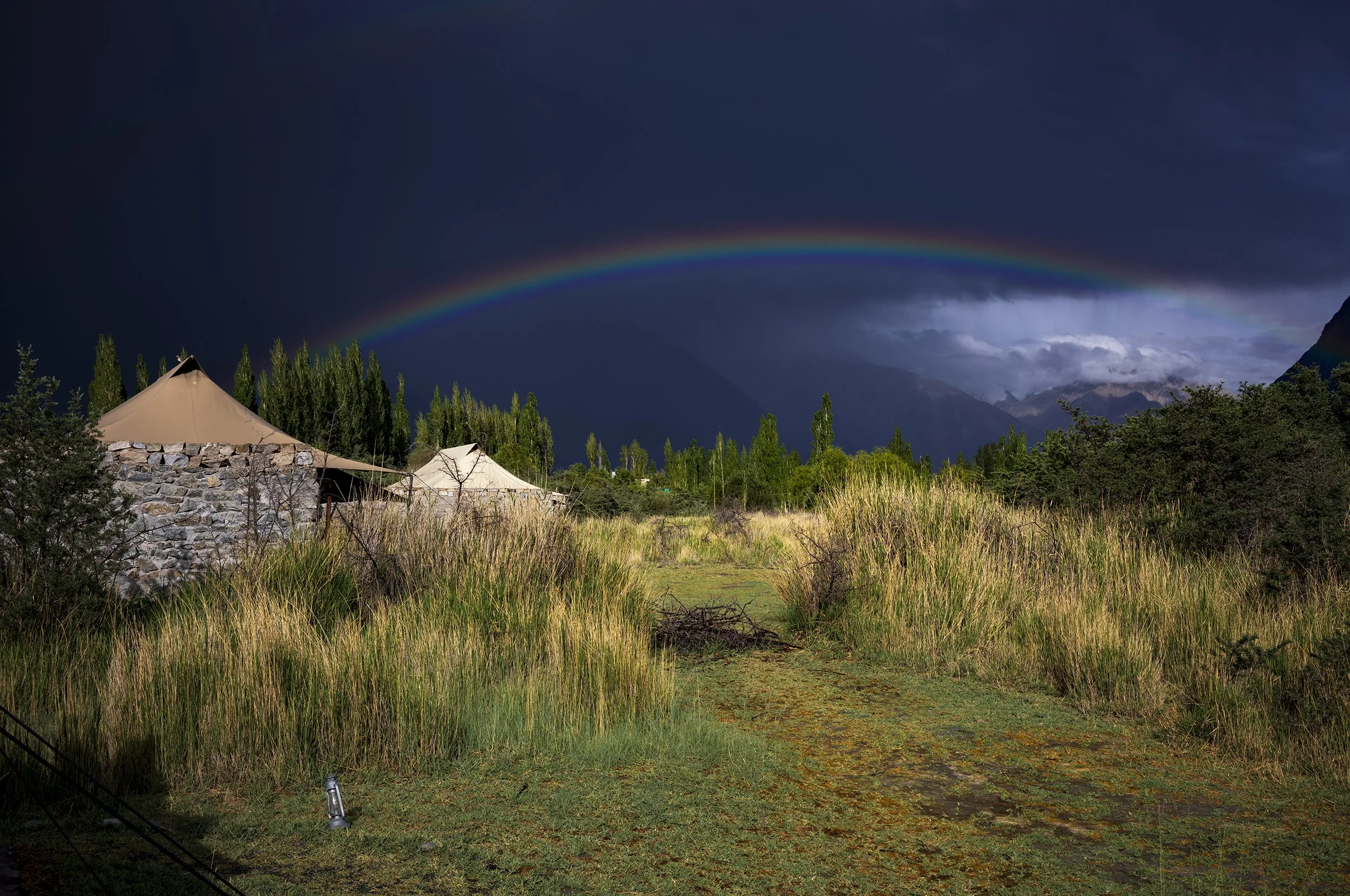
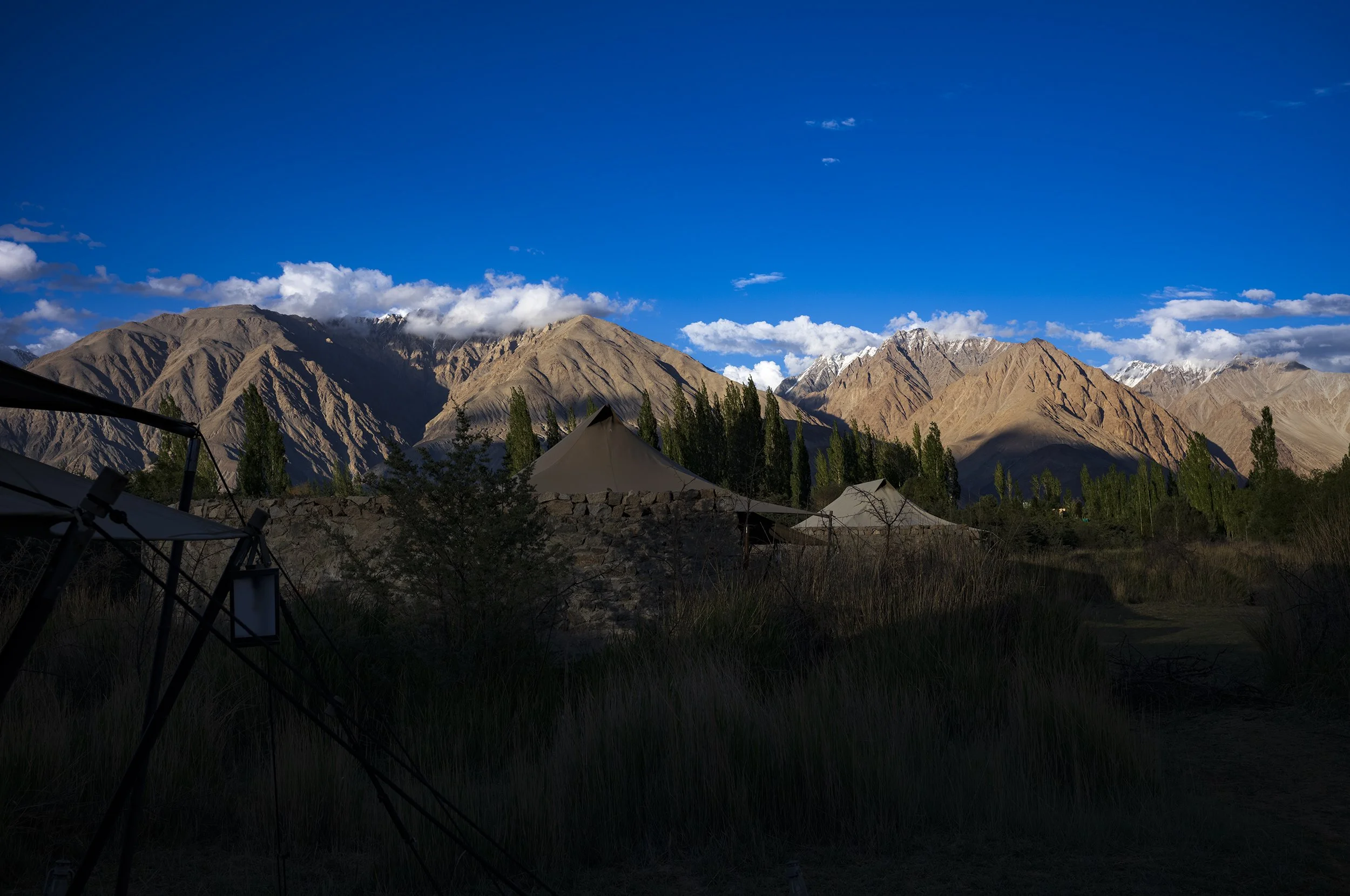
Chamba Champ, Diskit (deep evening colours)
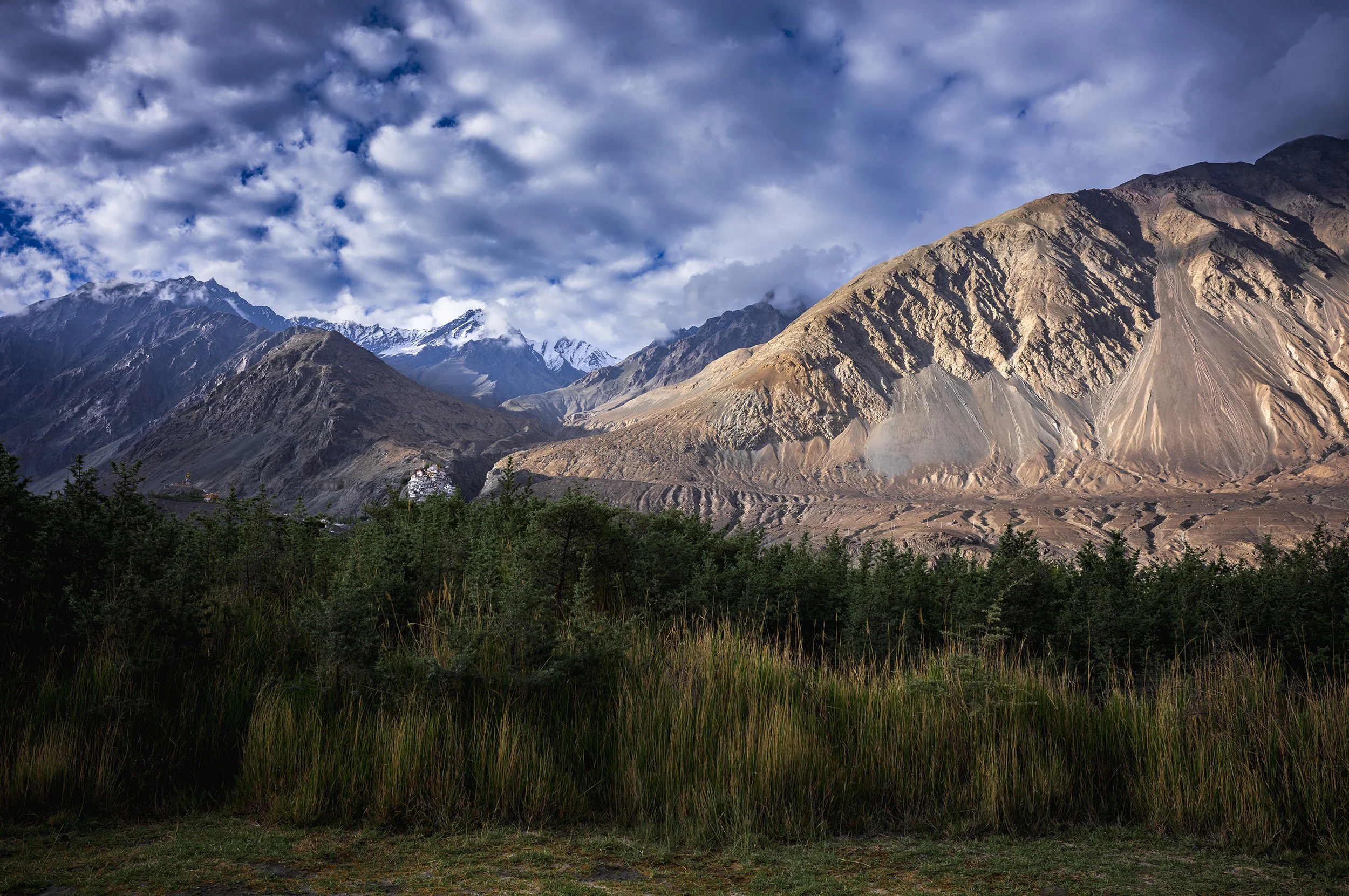
Chamba Champ, Diskit (morning light)
On route to Yarab Tso, a sacred, high-altitude hidden lake located near Sumur village in the Nubra Valleyhe Momo Hut: Located directly by the path leading up to Yarab Tso lake, serving fresh vegetarian momos and local Khambeer bread
The Momo Hut, located directly by the path leading up to Yarab Tso lake, serving fresh vegetarian momos and local khambeer bread
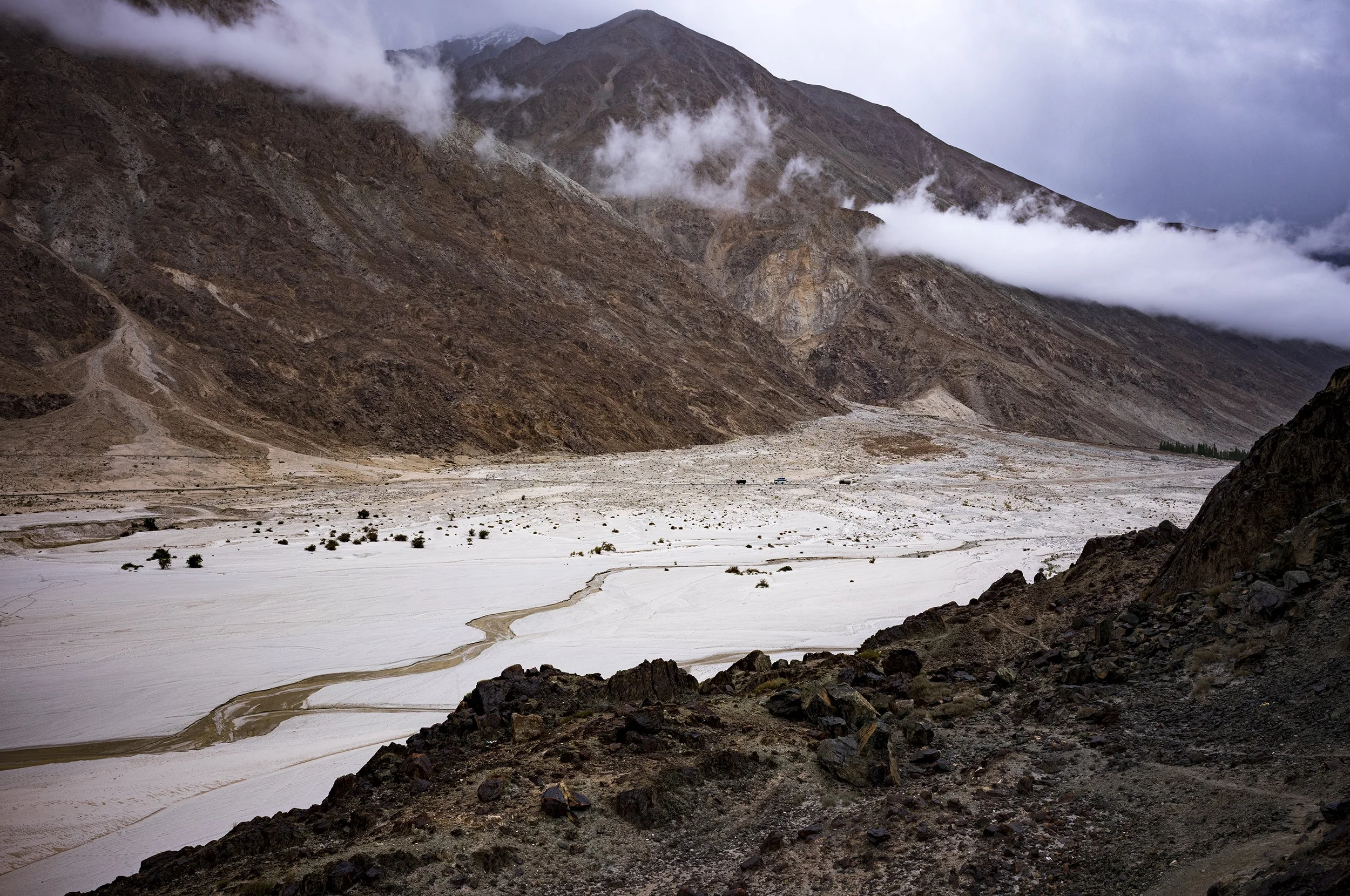
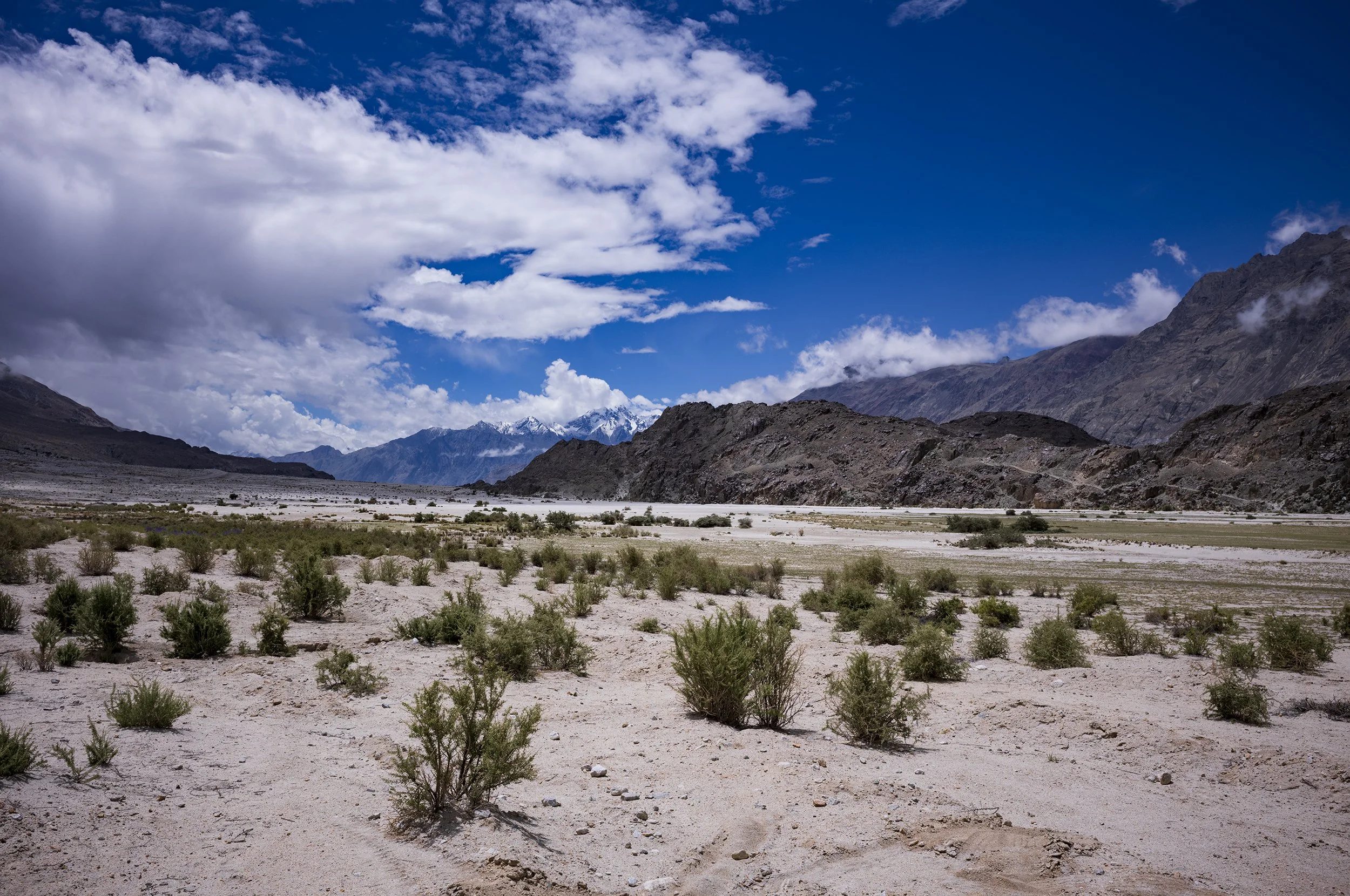
Looking down the Nubra Valley
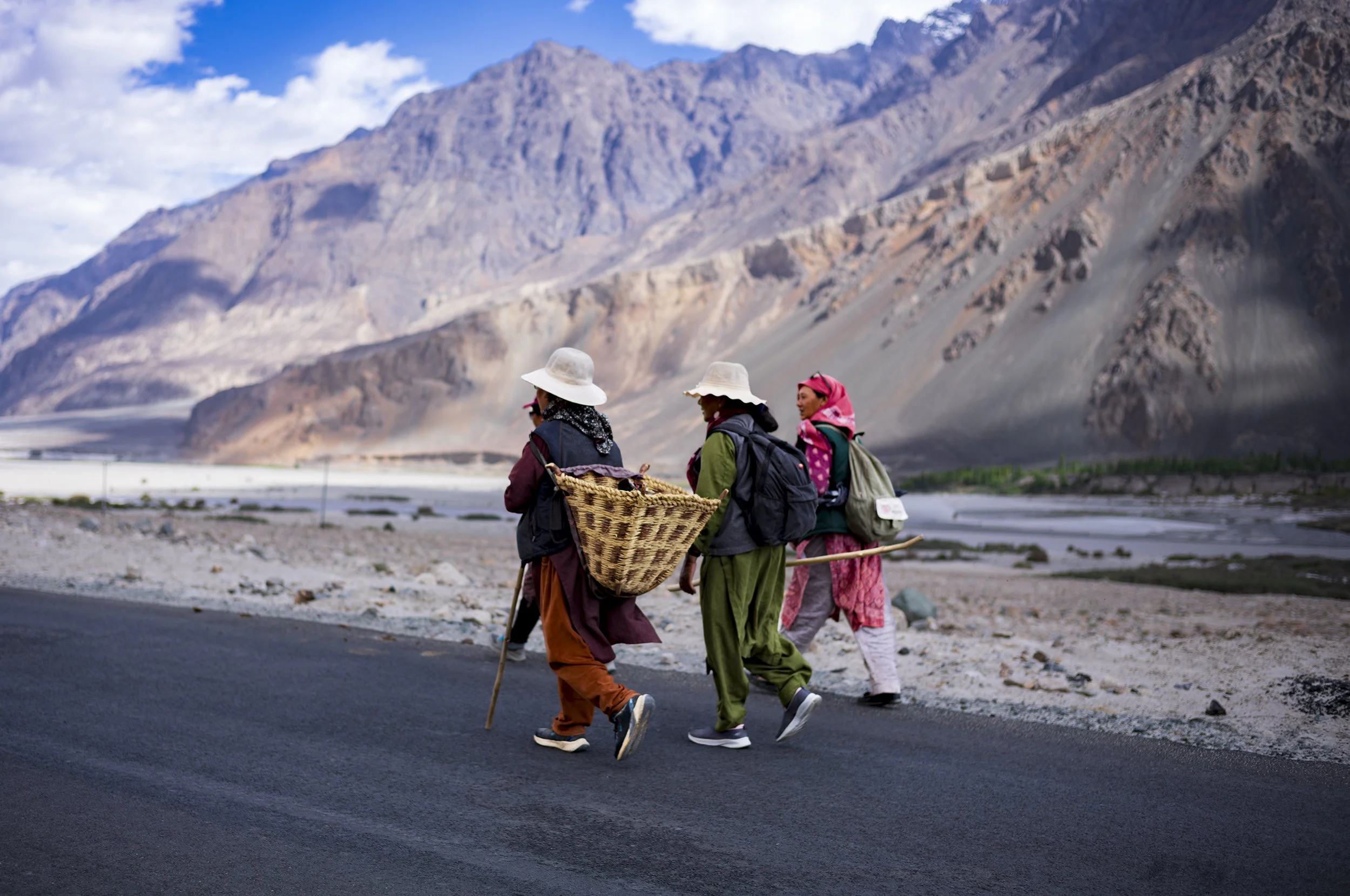
Ladakhi women are the backbone of their society
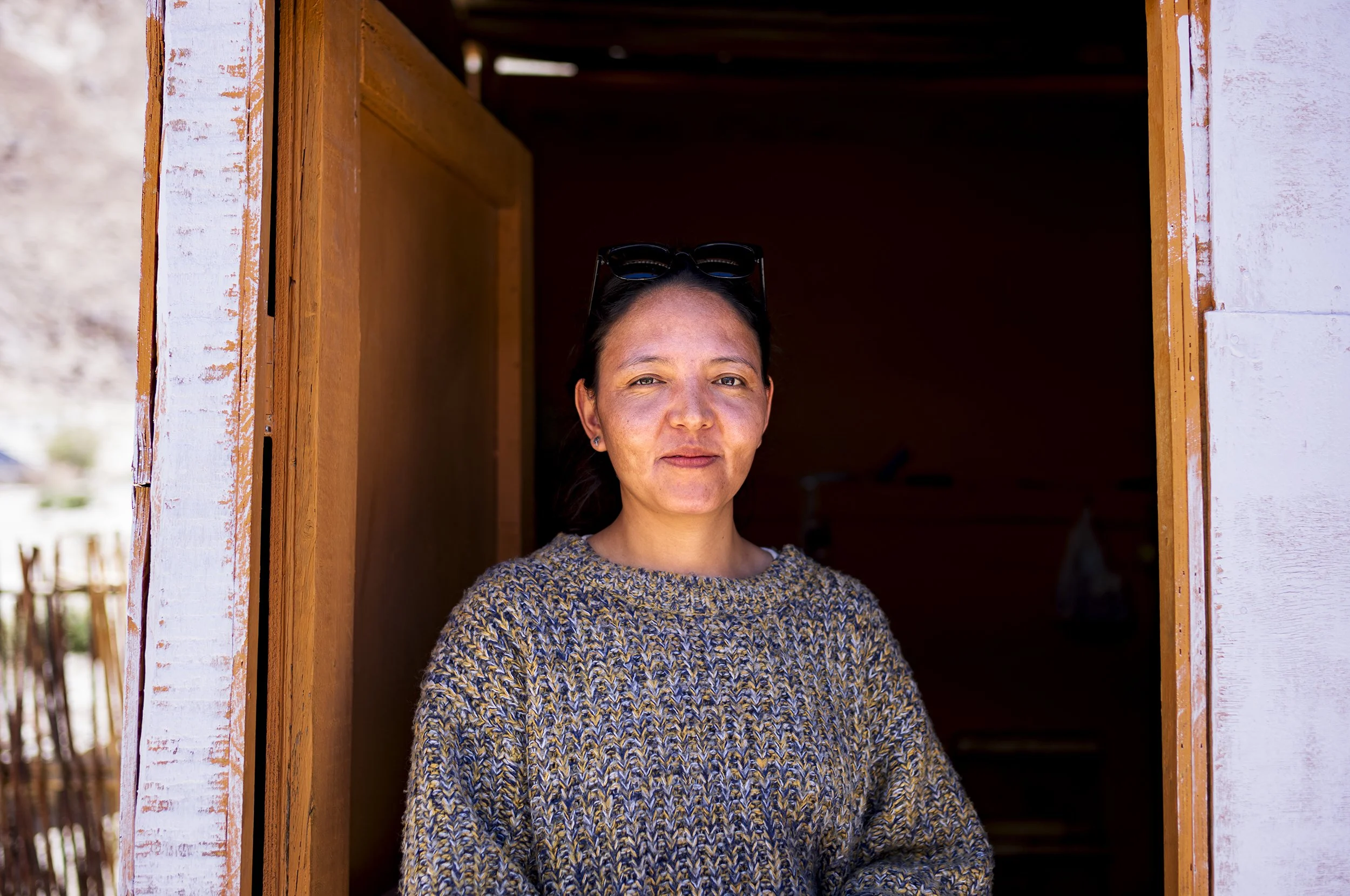
Owner, portrait
Looking towards the Karakoram from Chamba Champ, Diskit
Long walks between villages, Ladakh
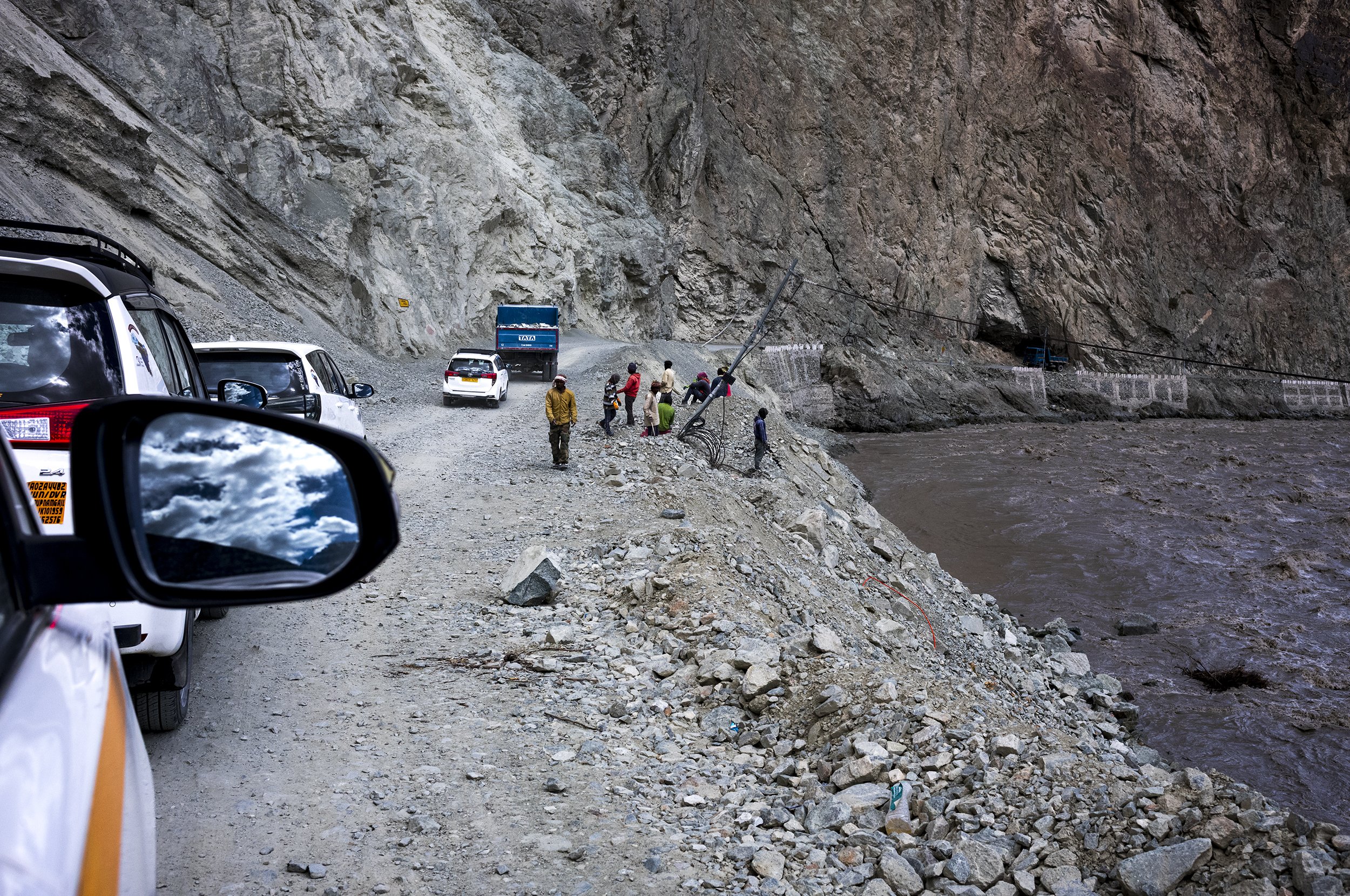
On route to Turtuk, deep valleys on rough roads built buy the (BRO)
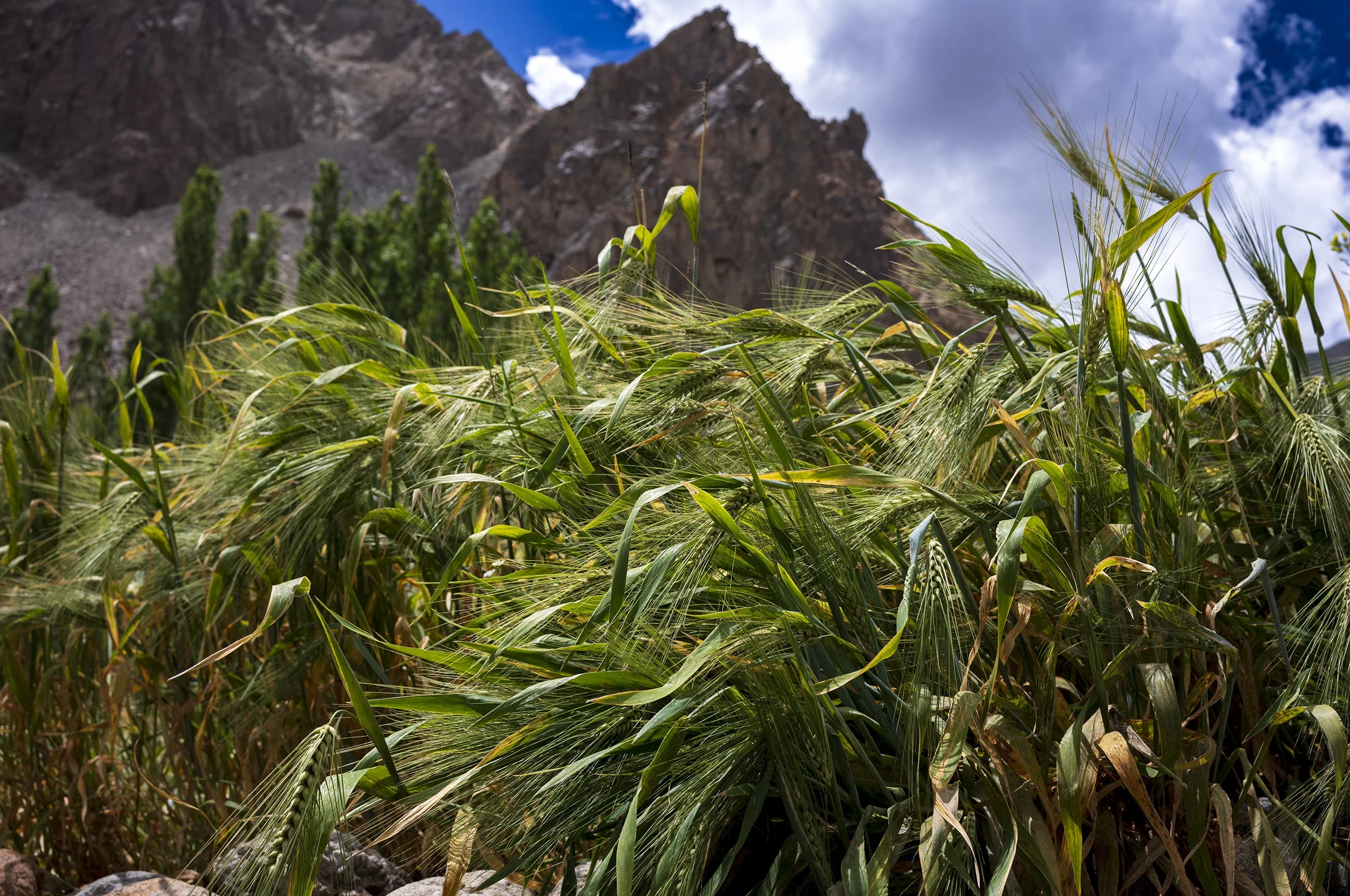
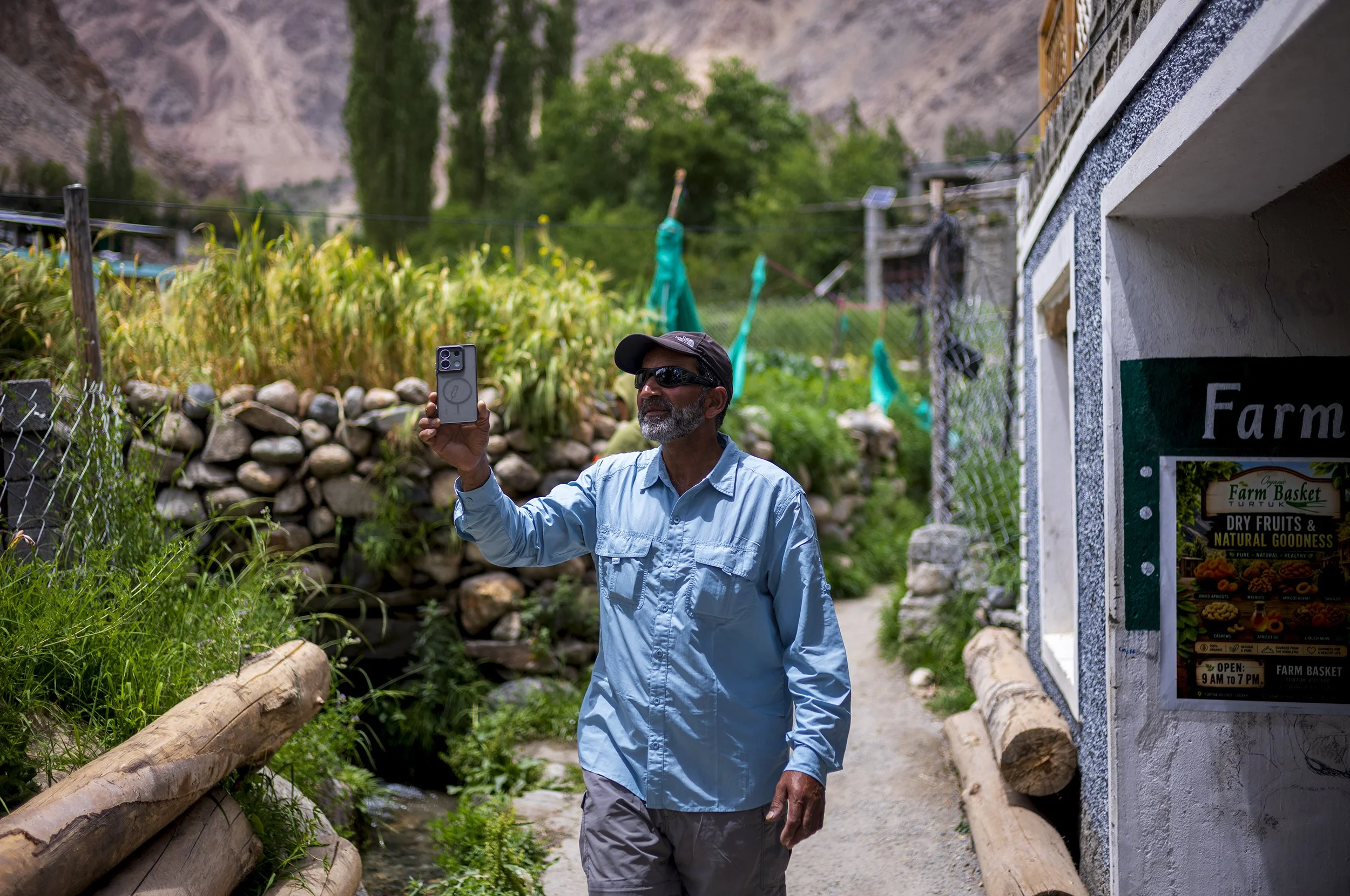
Turtuk, Naked barley (Ladakhi: nas, Urdu: grim) is a traditionally staple crop of the Ladakh region (reference)
Turtuk, new cropping (of which we are a part)
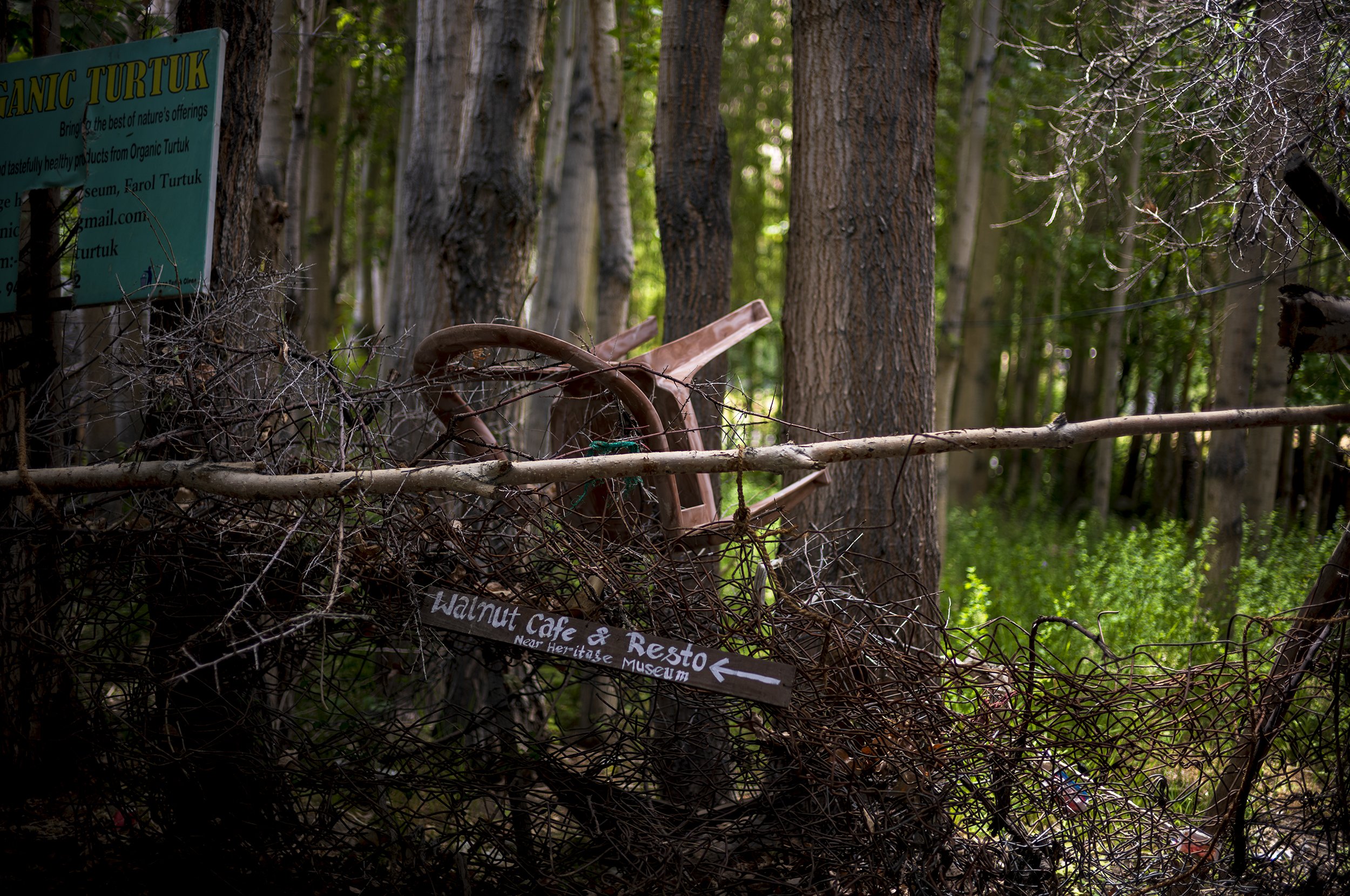
Turtuk, walnut cafe (next to heritage museum)
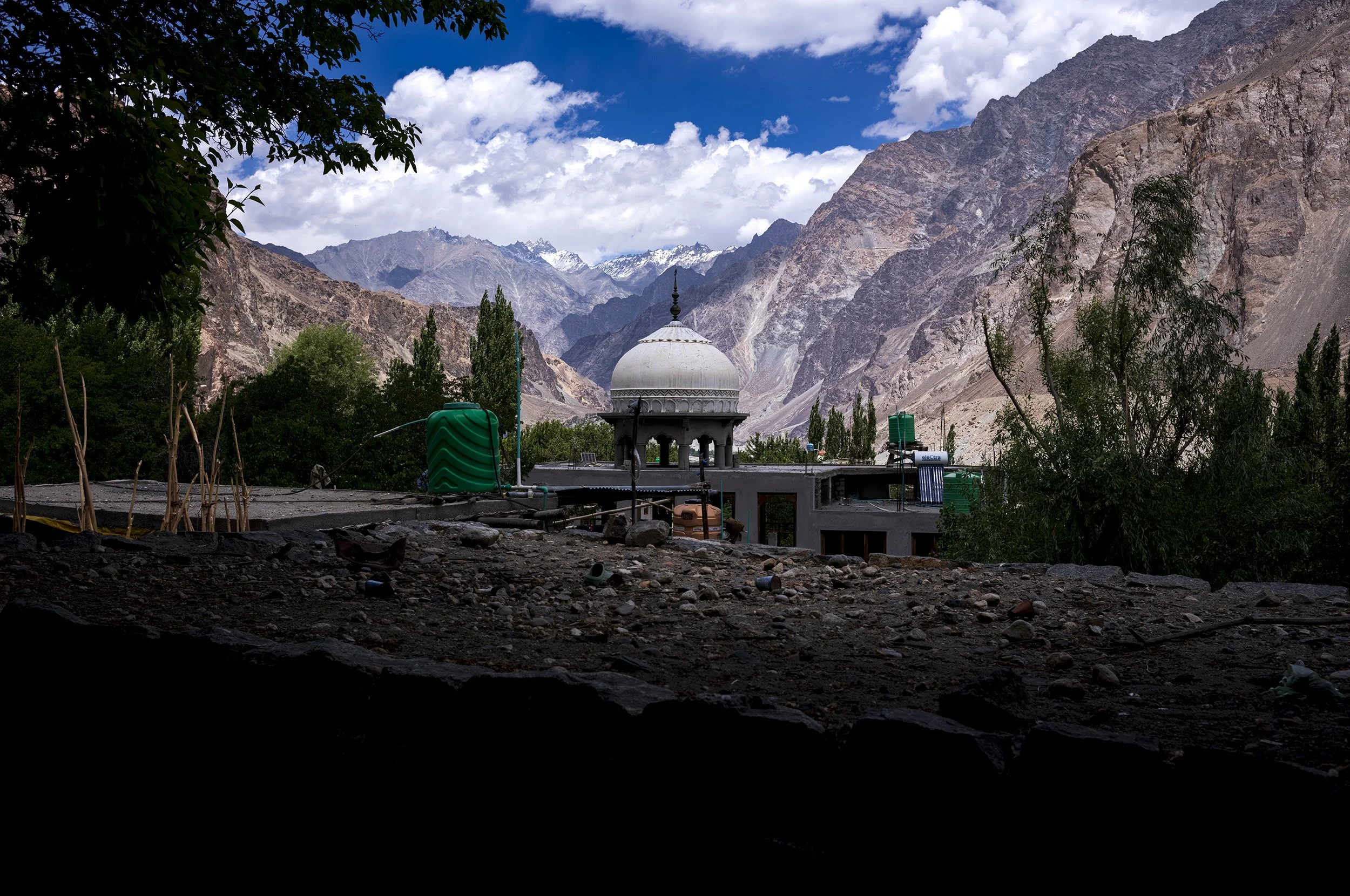
Turtuk, new heritage
The future is uncertain
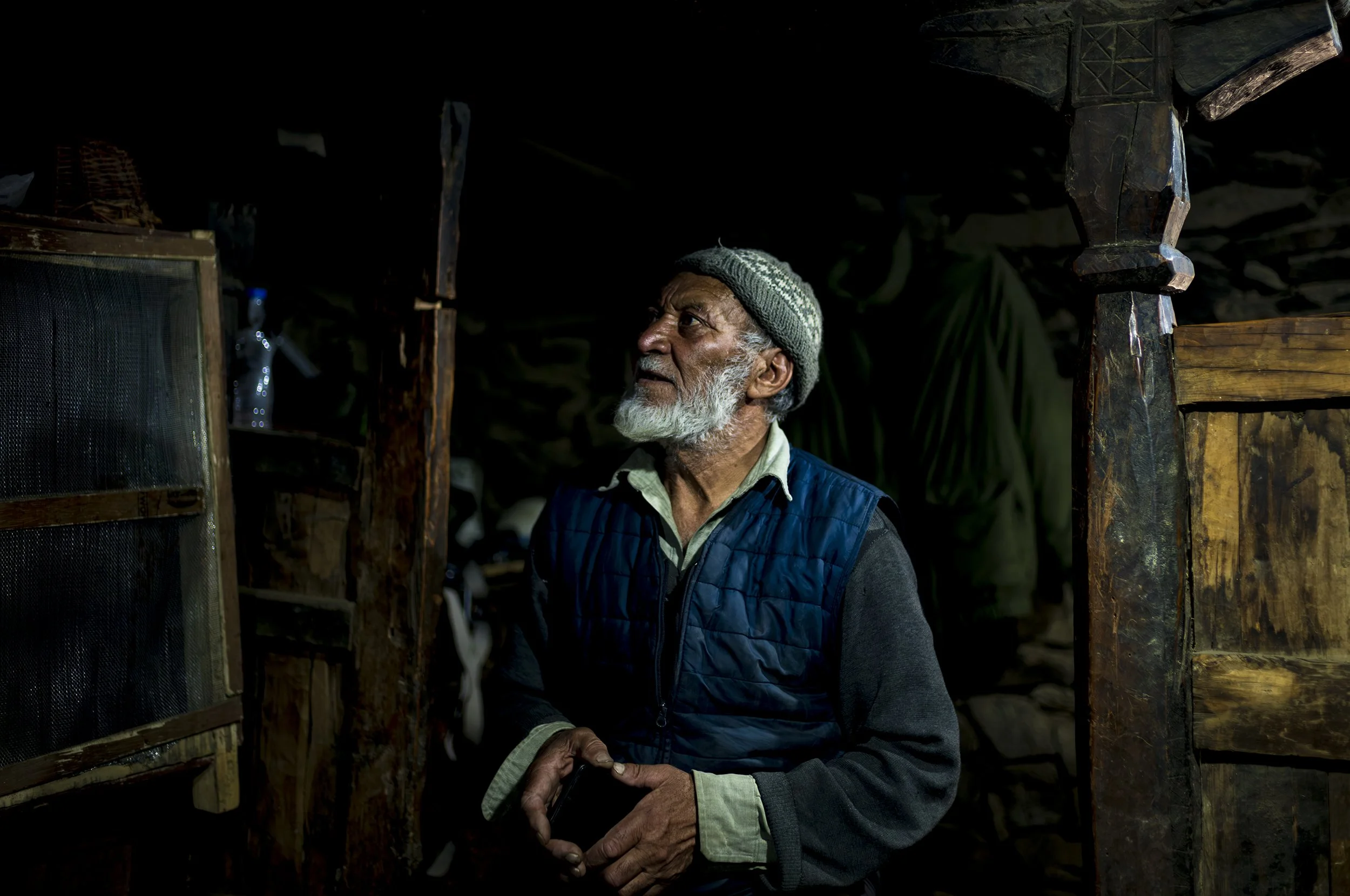
A village elder in Turtuk extolling the sustainable virtues of his family Nangchung, but he says the younger generation see things differently (selected by LFI Gallery)
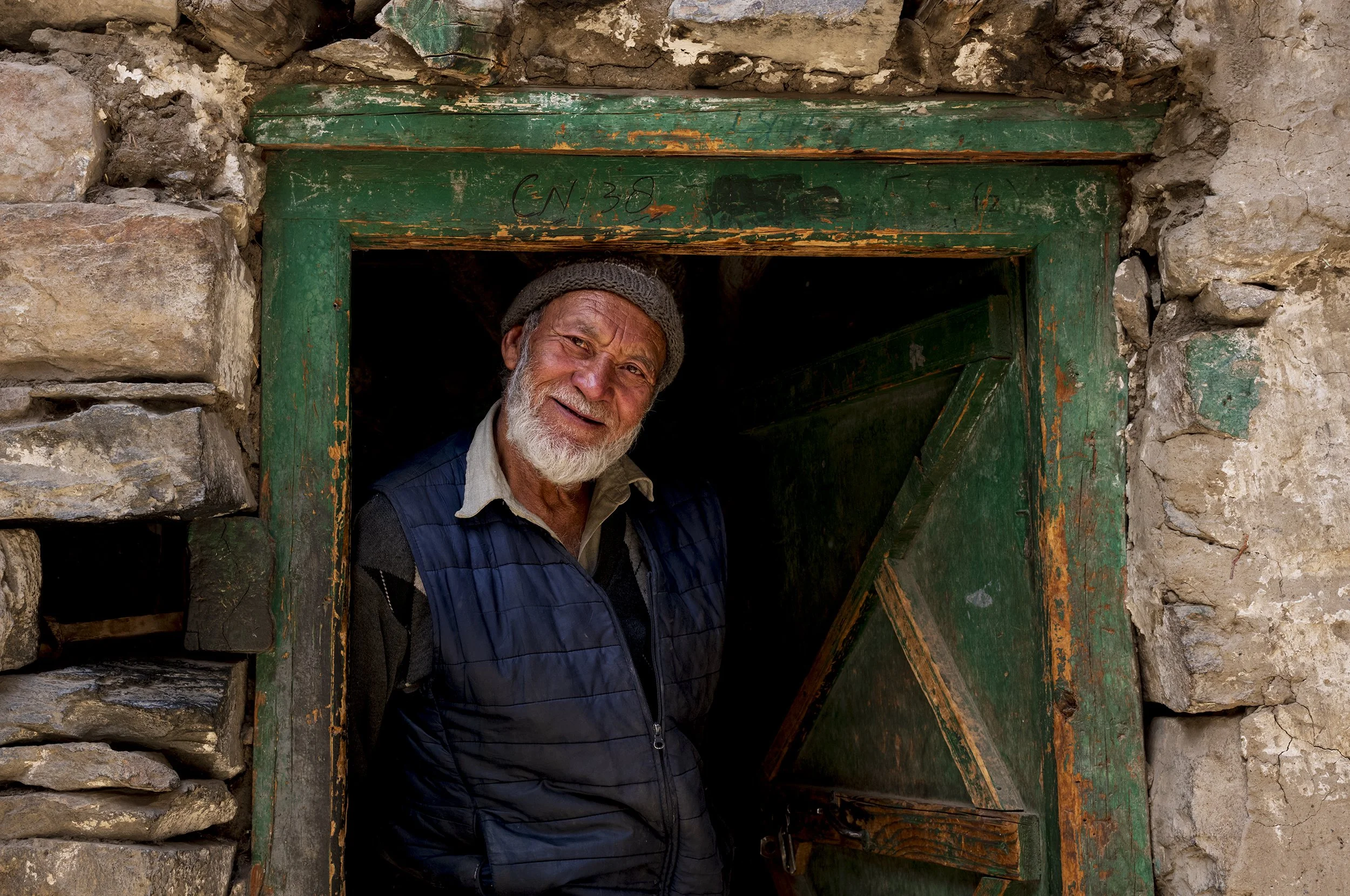
Portrait (outside)
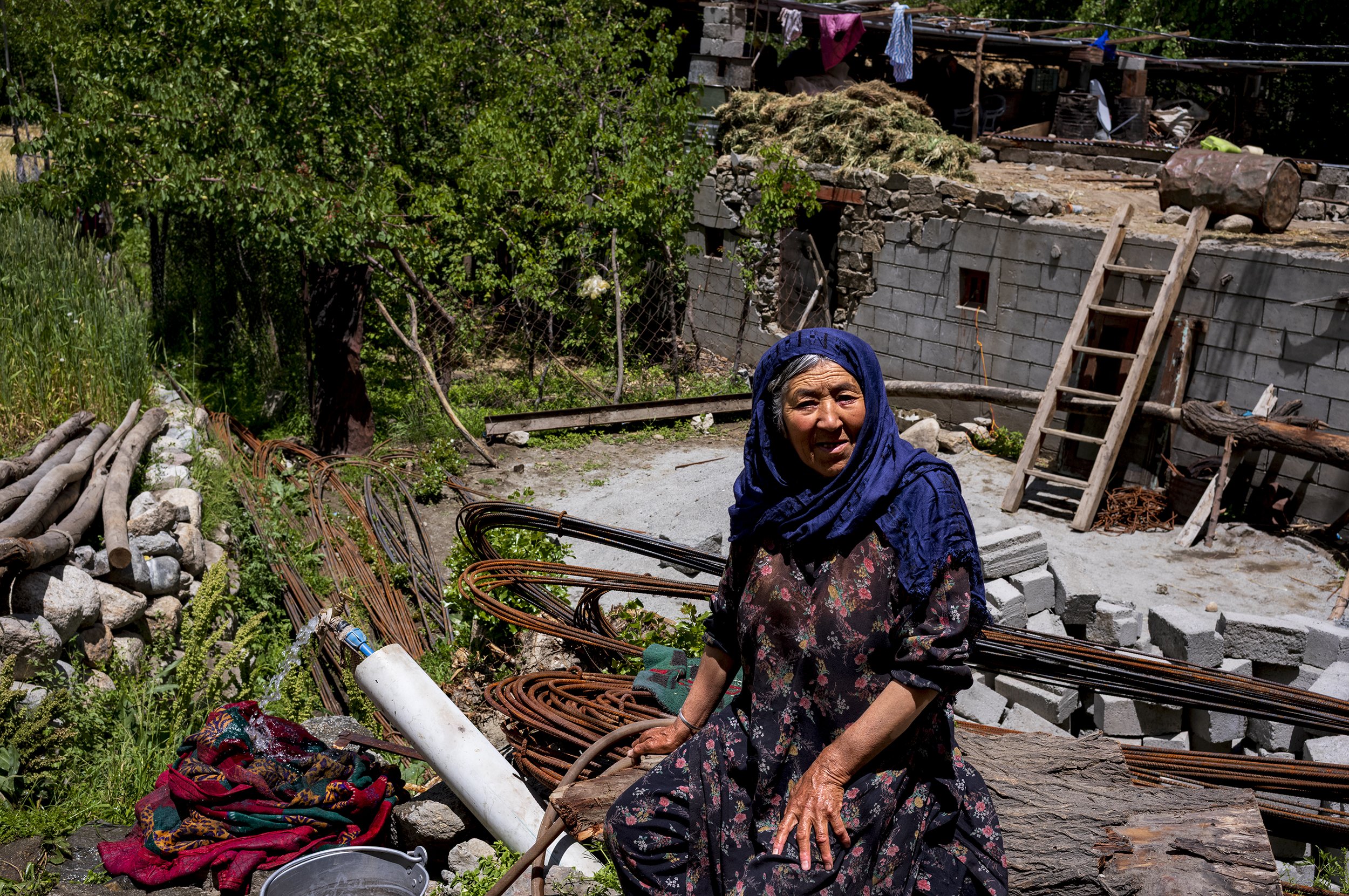
Turtuk matriarch
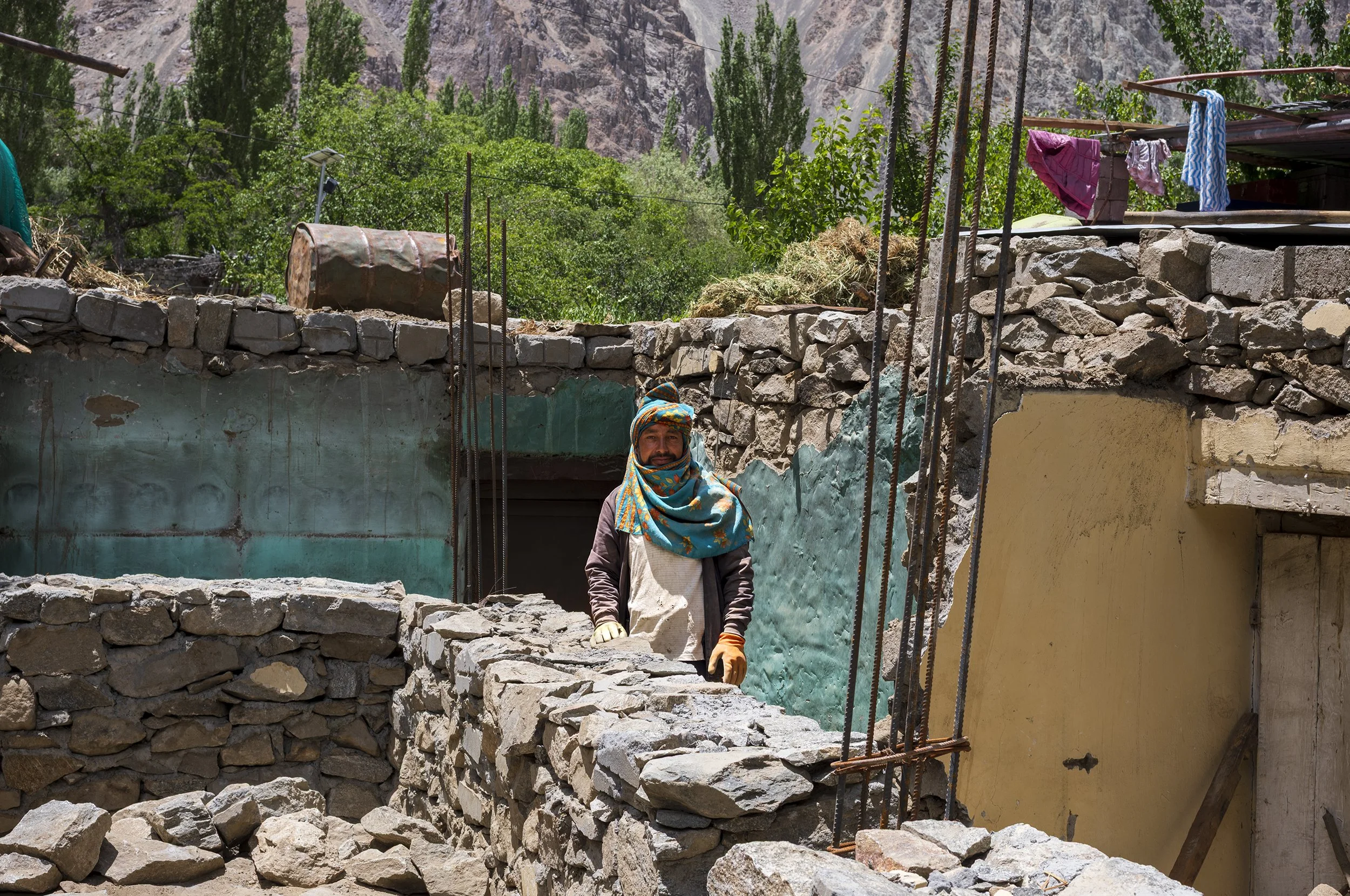
Turtuk, new materials for a new age